Follow Avatar

CoolIT Systems

CoolIT Systems

The Evolution of Data Center Cooling and Cooling Distribution Systems The rapid growth of cloud computing, artificial intelligence, and high-performance workloads has significantly increased the demand for efficient cooling systems in modern data centers. In earlier infrastructures, traditional air-based methods dominated thermal management, but as server densities increased, these solutions struggled to maintain optimal temperatures. This challenge led to the development of more advanced cooling distribution systems designed to manage heat more effectively while maintaining energy efficiency and operational reliability. By optimizing coolant flow and improving heat exchange efficiency, these innovations help reduce energy consumption and maintain stable operating conditions, even in highly dense computing environments. As technology progressed, data centers began integrating advanced coolant circulation systems to address the limitations of conventional cooling. These systems use engineered fluid pathways to transfer heat away from high-performance processors and networking equipment. One of the most transformative developments in this field is the rise of liquid cooling datacenter technologies. Unlike traditional air cooling, liquid-based solutions can absorb and transfer heat much more efficiently. This allows modern facilities to support high-power processors, GPUs, and AI workloads without overheating risks. Direct-to-chip cooling and immersion technologies have become increasingly popular because they provide precise thermal control while reducing the strain on overall cooling systems infrastructure. Companies have contributed to this shift by developing advanced liquid cooling innovations that integrate seamlessly with next-generation cooling distribution systems. Their solutions focus on optimizing coolant flow, improving system reliability, and enabling data centers to scale efficiently while lowering environmental impact. If you’re interested in learning more about advanced cooling technologies or exploring innovative cooling systems for your facility, connect with industry experts and find directions on google maps to discover nearby solutions and support.

Thumb

0 repins 0 comments

Precision Copper Cold Plate Design for Superior Heat Dissipation Precision copper cold plate design plays a critical role in modern thermal management systems where high-performance electronics generate significant heat. A well-engineered copper cold plate design efficiently transfers heat away from sensitive components, ensuring consistent operation and extended equipment lifespan. By integrating advanced materials and precision machining, these cooling solutions help maintain stable temperatures in high-density computing environments and industrial applications. In advanced cooling architectures, a well-designed liquid cooling loop works with a high-efficiency cold plate to move heat away from processors, power electronics, and high-load systems. The copper plate absorbs heat from the component surface while the coolant circulating through the channels carries the thermal energy away. This process enables a cold plate loop to deliver reliable cooling performance even in compact systems where traditional air cooling may be insufficient. For industries requiring specialized thermal solutions, a complete coldplate loop assembly ensures optimized fluid flow, uniform heat distribution, and minimal pressure drop. Engineering teams often rely on custom cold plate design services to tailor channel geometry, plate thickness, and coolant pathways according to the thermal load and system layout. These customized designs improve cooling efficiency while supporting integration with existing liquid cooling infrastructure. Manufacturers focus on high-precision engineering to deliver optimized copper cold plate technologies that meet demanding thermal requirements. With careful attention to material quality, machining accuracy, and performance testing, these solutions support industries ranging from data centers and high-performance computing to power electronics and renewable energy systems. For organizations seeking efficient, reliable thermal management, precision cold plate technology offers a powerful solution for demanding cooling environments. Whether integrating a new liquid cooling loop or upgrading an existing system, optimized cold plate designs can significantly enhance performance and durability. To explore advanced cooling solutions and find us easily, connect with experts specializing in custom thermal engineering and precision cold plate development.

Thumb

0 repins 0 comments

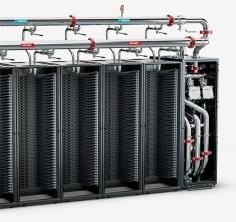
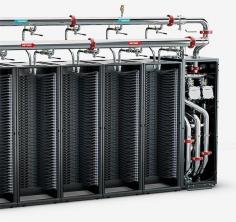
The Role of Liquid Cooling Rack Manifolds in Modern Data Centers The rapid growth of high-performance computing, artificial intelligence, and cloud infrastructure has pushed modern data centers to adopt more advanced cooling solutions. Among these innovations, rack manifolds have become an essential component in supporting efficient thermal management. As servers become denser and more powerful, traditional air-cooling methods struggle to keep up with the increasing heat loads. Rack manifolds help distribute coolant efficiently throughout server racks, ensuring that heat is removed quickly and reliably while maintaining optimal operating temperatures. By managing the flow of liquid precisely, the manifold ensures consistent cooling performance across the entire rack. A liquid cooling rack manifold acts as a central distribution point that channels coolant to multiple servers within a rack. This design allows cooling systems to scale easily as new hardware is added. This approach not only improves energy efficiency but also reduces the risk of overheating, which can negatively impact system reliability and lifespan. Another important component is the direct liquid cooling manifold, which enables coolant to be delivered directly to server components such as CPUs and GPUs. This targeted cooling method is especially valuable for high-performance computing environments where heat generation is intense. By removing heat closer to the source, direct liquid cooling manifolds significantly improve thermal efficiency and reduce the need for large air-handling systems within the data center. With a centralized cooling distribution system, technicians can monitor and control coolant flow more effectively, making troubleshooting and upgrades easier. The server rack manifold also contributes to improved infrastructure organization and maintenance. Leading innovators continue to develop advanced manifold technologies that support the evolving needs of data centers, helping operators achieve higher performance and lower energy consumption. As data centers expand and workloads become more demanding, the role of rack manifolds in liquid cooling systems will continue to grow. These solutions offer scalability, reliability, and efficiency that traditional cooling methods cannot match. For organizations looking to implement next-generation cooling infrastructure, adopting liquid cooling rack manifold technology is becoming a practical and forward-thinking choice. If you’re exploring advanced cooling solutions, you can locate us easily to learn more about how modern manifold systems can support your data center’s performance and sustainability goals.

Thumb

0 repins 0 comments

Advanced Liquid Cold Plates for High Heat Flux Applications Advanced thermal management is critical in today’s high-performance electronics, where heat density continues to rise across industries like data centers, EV systems, aerospace, and power electronics. A coldplate plays a vital role in efficiently dissipating heat directly from sensitive components, ensuring optimal performance and longevity. Unlike traditional cooling methods, advanced cooling technologies focus on precision, reliability, and adaptability to meet evolving engineering demands. Modern liquid cold plates are engineered to handle extreme heat flux applications by circulating coolant through strategically designed channels. This method enables rapid heat transfer away from hotspots, maintaining stable operating temperatures even under intense workloads. Their compact design and high efficiency make them ideal for applications where space and thermal control are equally critical. To address diverse industrial requirements, manufacturers now offer custom cold plate solutions tailored to specific system architectures. These solutions consider factors such as flow rate, material compatibility, pressure drop, and thermal performance. Whether it’s a complex electronic assembly or a high-power battery module, customization ensures maximum efficiency and seamless integration into existing systems. By leveraging advanced materials and precision manufacturing techniques, these cooling systems deliver consistent and reliable thermal performance. The versatility of cold plates extends across multiple sectors, including medical devices, renewable energy systems, and high-frequency computing. Their scalability and adaptability make them a preferred choice for both emerging technologies and established applications. As thermal challenges continue to evolve, investing in advanced cooling technologies becomes essential for maintaining system reliability and efficiency. High-quality liquid cooling solutions not only enhance performance but also reduce maintenance costs and downtime. To discover how tailored cooling systems can support your application needs, explore our location for innovative and dependable solutions.

Thumb

0 repins 0 comments

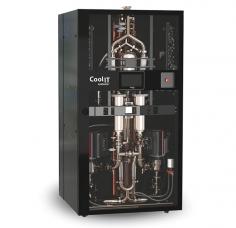
Coolant Distribution Unit Benefits for High-Performance Computing High-performance computing (HPC) environments demand advanced thermal management solutions to maintain efficiency and system reliability. A coolant distribution unit plays a crucial role by delivering precise liquid cooling directly to heat-intensive components. Unlike traditional air cooling, these systems enable consistent temperature control across dense server architectures, helping prevent overheating while supporting higher processing loads. As computing power continues to scale, integrating a well-designed coolant distribution unit becomes essential for maintaining optimal performance and uptime. By minimizing thermal hotspots and maintaining uniform cooling conditions, data center CDUs significantly extend hardware lifespans and reduce maintenance costs. A modern data center CDU is engineered to handle complex cooling requirements with accuracy and flexibility. It ensures controlled coolant circulation, balancing flow rates and pressure across multiple racks or nodes. This level of precision not only improves cooling efficiency but also reduces energy consumption, making operations more sustainable. Equally important are advanced coolant control and monitoring systems, which provide real-time insights into temperature, pressure, and flow metrics. These intelligent systems allow operators to detect anomalies early, enabling proactive maintenance and reducing the risk of system failure. With automation and data-driven adjustments, coolant control and monitoring systems enhance operational visibility and support seamless scalability in high-density environments. Whether deployed in edge computing setups or large-scale data centers, CDUs offer the flexibility needed to meet diverse cooling challenges without compromising efficiency. The evolution of CDUs has also introduced modular and compact designs that can be easily integrated into existing infrastructure. These systems are adaptable, allowing organizations to scale their cooling capacity alongside growing computational demands. As workloads become more demanding, investing in robust coolant distribution solutions ensures not only operational stability but also long-term cost savings and sustainability in modern computing ecosystems.

Thumb

0 repins 0 comments

Operational continuity depends heavily on how effectively heat is managed, especially as rack densities increase and hardware performance thresholds expand. CoolIT Systems continues to support the evolution of modern digital infrastructure by advancing smarter approaches to thermal management. As computational demand accelerates across AI, cloud computing and high-performance workloads, the need for reliable cooling systems for data centers has never been greater. By stabilizing temperatures within tightly controlled ranges, organizations can reduce hardware stress, extend equipment lifespan and improve overall system resilience. Today’s facilities are rapidly transitioning toward datacenter liquid cooling as a practical response to rising thermal loads. This enables operators to support high-density servers while maintaining consistent performance levels. As digital ecosystems grow more complex, direct-to-chip and immersion-based methods are helping data centres achieve stronger uptime metrics. Visit: https://www.coolitsystems.com/ Liquid-based systems provide modular deployment options that allow facilities to expand without undergoing costly structural overhauls. The integration of liquid cooling infrastructure also plays a vital role in long-term scalability. As enterprises prepare for next-generation processors and accelerated computing platforms, infrastructure must be designed with adaptability in mind. By embedding liquid cooling into core design strategies, data centres can meet performance objectives while reducing strain on traditional HVAC frameworks. Energy consumption for thermal management accounts for a significant portion of total facility expenditure. Liquid technologies reduce dependence on large-scale air-handling units and minimize the need for excessive airflow, thereby lowering overall power usage. Beyond performance gains, data center cooling systems are increasingly evaluated through the lens of sustainability and cost optimization. As organizations strive to balance expansion with responsibility, efficient thermal strategies have become a strategic investment rather than a supporting function. As digital transformation accelerates across industries, robust cooling systems for data centers will remain fundamental to ensuring uninterrupted service delivery, optimized energy performance and future-ready infrastructure built to withstand evolving computational demands. Ultimately, datacenter liquid cooling is redefining how reliability is achieved in high-performance environments. By combining targeted heat removal, scalable liquid cooling infrastructure and intelligent system design, modern facilities are better equipped to handle continuous workloads without compromise.

Thumb

0 repins 0 comments